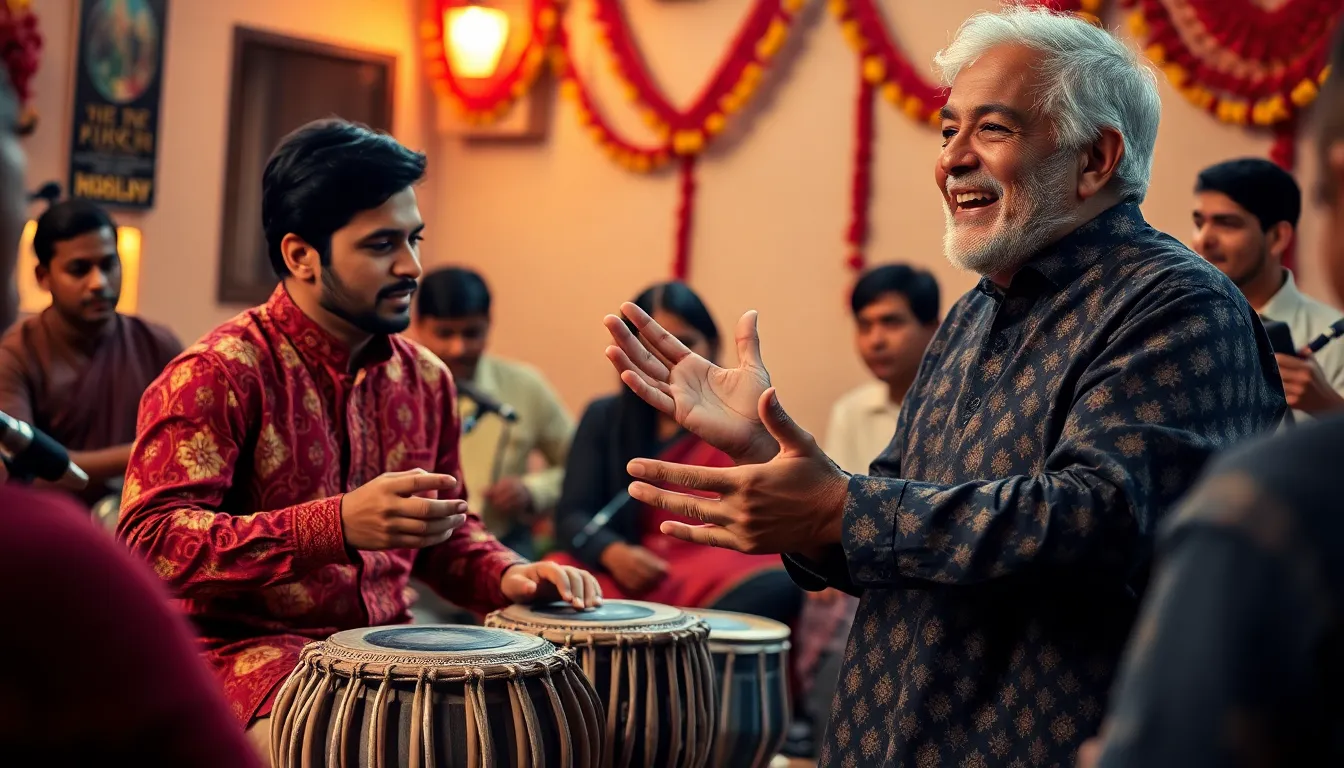
In the vibrant world of traditional Indian music, nishidhasagamam stands out like a peacock in a flock of pigeons. This unique concept, rooted in the intricate tapestry of Carnatic music, offers a delightful mix of melody and mystery. It’s not just a musical term; it’s a journey through the realms of sound that can make even the most stoic listener tap their feet.
Overview of Nishidhasagamam
Nishidhasagamam stands out as a significant element in Carnatic music. It reflects a unique combination of melodic structure and emotional nuance. Musicians employ nishidhasagamam to evoke specific feelings, creating a compelling listening experience.
Audiences often notice this concept in compositions that feature intricate ragas. Composers craft these compositions to highlight the emotional depth inherent in the performance. By blending traditional patterns with innovative creativity, nishidhasagamam captures the essence of spiritual and worldly experiences.
Performance settings play a crucial role in bringing nishidhasagamam to life. In intimate gatherings, musicians engage directly with the audience, enhancing the impact of the melody. Larger stage performances showcase nishidhasagamam in a way that emphasizes the grandeur and intricacy of Carnatic music.
Understanding nishidhasagamam involves studying its technical aspects. It incorporates specific note patterns that resonate with particular emotional states. Musicians skillfully navigate these patterns, allowing for personal expression while staying true to tradition.
Listeners appreciate the depth of nishidhasagamam through repeated exposure. Familiarity breeds a deeper connection to the music, leading to a greater appreciation for its complexities. As performers continue to explore this concept, nishidhasagamam evolves within the ever-changing landscape of Carnatic music.
Engagement with nishidhasagamam cultivates not only an appreciation for melodies but also an understanding of the cultural significance behind them. This concept continues to enchant music lovers and reinforce the deep-rooted traditions within Indian classical music.
Historical Background
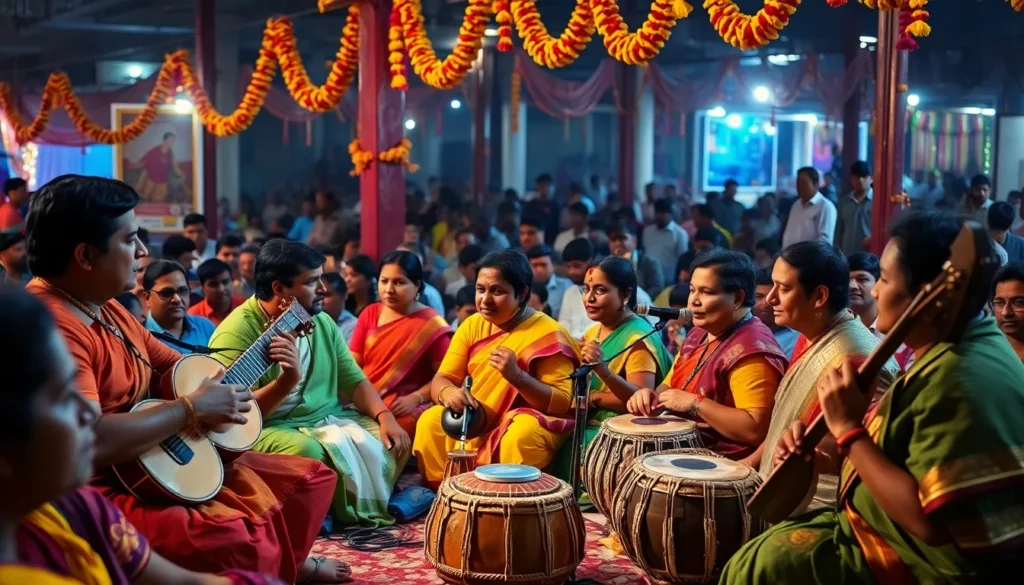
Nishidhasagamam showcases a rich historical context that contributes to its significance in Carnatic music. This concept emphasizes the intricate relationship between melodies and emotions, rooted in centuries of musical evolution.
Origin and Development
Nishidhasagamam finds its origins in ancient Indian musical traditions. Rooted in the foundational principles of raga, it evolved through various influences over time. This evolution involved incorporating diverse regional styles and cultural nuances. Musicians contributed to its development, blending improvisation techniques with structured compositions. Historical texts document its significance, highlighting its role in enhancing emotional expression. As musicians embraced creativity, nishidhasagamam began to reflect contemporary influences while retaining traditional elements.
Cultural Significance
Nishidhasagamam holds a vital place in the cultural landscape of India. Its ability to evoke deep emotional responses resonates with audiences across generations. Performers often use this concept to connect with listeners on a personal level, fostering a shared experience. Through intimate performances, the essence of nishidhasagamam engages audiences, making them part of the musical journey. Festivals and cultural events often feature this concept prominently, celebrating its impact on the artistic heritage. By embracing nishidhasagamam, artists contribute to the preservation and evolution of Indian classical music traditions.
Key Concepts and Principles
Nishidhasagamam encompasses a rich framework of beliefs and practices within Carnatic music. Understanding these concepts enhances the appreciation of this unique musical expression.
Core Beliefs
Emotional resonance stands at the heart of nishidhasagamam. Musicians believe in the power of specific note patterns to evoke particular feelings. Each note connects listeners to deep emotional states, fostering a profound appreciation of the music. Musicians draw upon centuries of traditions, using both structured compositions and improvisation techniques. The blending of these elements enhances the emotional impact, inviting listeners into a shared experience. Promoting personal expression, nishidhasagamam encourages performers to connect with their audience on a deeper level. Myriad cultural traditions inform its evolution, reflecting the diversity of Indian classical music.
Practices and Rituals
Engagement with nishidhasagamam unfolds through various practices and rituals. Performers often showcase this concept during intimate gatherings and larger performances, allowing for varying degrees of connection with the audience. Ritualistic elements are essential; music often plays a central role in festivals and cultural events. Musicians might employ specific ragas to highlight emotional nuances, enhancing the auditory experience. Adhering to traditional frameworks, performers integrate improvisational elements, adding spontaneity to their presentations. Within these contexts, nishidhasagamam serves not only as a performance technique but also as a means of cultural preservation. Regularly performing this concept promotes its ongoing evolution, keeping it relevant within the contemporary musical landscape.
Modern Interpretations
Nishidhasagamam persists as a captivating element in the realm of contemporary music. Its unique emotion-driven approach lets modern musicians explore and reinterpret traditional themes.
Contemporary Relevance
Nishidhasagamam maintains significant relevance in today’s music scene. Artists incorporate its emotional depth into various genres, capturing diverse audiences. This blending of tradition with modern sounds ensures fresh interpretations of classic compositions. Festivals and collaborative projects increasingly showcase nishidhasagamam, allowing it to bridge generational gaps. Engaging younger listeners through innovative arrangements helps keep this cultural heritage alive.
Adaptations in Society
Adaptations of nishidhasagamam reflect its influence in society. Community events frequently highlight performances infused with nishidhasagamam elements. Musicians experiment with interactive formats, inviting audience participation that deepens the connection to the music. Educational initiatives also foster appreciation, teaching students about its history and significance. Recordings and online platforms broaden accessibility, allowing global audiences to experience this artistic form. These societal adaptations strengthen the cultural fabric and ensure nishidhasagamam remains vital in various contexts.
Critiques and Challenges
Nishidhasagamam faces various critiques and challenges that have emerged in recent discussions among scholars and community members. Examining these perspectives reveals differing views on its role and significance in contemporary Indian music.
Scholarly Perspectives
Critics argue that nishidhasagamam’s complexity can alienate newer listeners. They suggest that intricate structures may present barriers to understanding, requiring significant prior knowledge of Carnatic music traditions. Scholars also emphasize the need for more academic research to fully explore its emotional and technical dimensions. Some propose that expanding educational resources would enhance accessibility. Additionally, concerns exist regarding the preservation of traditional elements as modern artists reinterpret nishidhasagamam. Insights into these dynamics could foster a richer appreciation of its intricacies.
Community Responses
Community members often express mixed feelings about nishidhasagamam. Performers acknowledge its emotional depth, yet some audiences find it challenging to connect with its traditional forms. Engaging younger audiences remains a priority, prompting musicians to blend elements of nishidhasagamam with contemporary styles. Collaborative events aim to demystify this concept, making it more relatable. Local festivals play a vital role in celebrating its heritage while encouraging experimentation. Overall, community feedback highlights the importance of adapting nishidhasagamam to maintain its relevance in today’s cultural landscape.
Nishidhasagamam remains a vital aspect of Carnatic music that continues to evolve while retaining its emotional essence. Its ability to connect deeply with audiences makes it a cherished element in both traditional and contemporary settings. As musicians adapt this concept to engage younger listeners, they ensure its relevance in a rapidly changing musical landscape. The ongoing dialogue surrounding nishidhasagamam highlights the importance of accessibility and education, paving the way for future generations to appreciate its complexities. By celebrating its rich heritage and embracing innovation, nishidhasagamam will undoubtedly endure as a captivating force in the world of music.