In the vibrant tapestry of Indian cuisine, vettakarikal stands out like a quirky uncle at a family gathering—unforgettable and full of surprises. This traditional dish, hailing from the heart of Kerala, is not just food; it’s an experience that tickles the taste buds and warms the soul. Imagine a medley of spices dancing together, creating flavors that make your palate sing and your stomach cheer for more.
Overview of Vettakarikal
Vettakarikal represents a rich culinary heritage from Kerala, India. This traditional dish features a medley of fresh vegetables, often combined with coconut milk and a blend of spices like turmeric, black pepper, and curry leaves. The preparation process requires skill as it balances flavors and textures, making it a staple in many Keralite households.
Known for its comforting qualities, vettakarikal is served with rice or chapatis. Generated through a slow-cooking method, the ingredients meld harmoniously, resulting in a dish that delights the palate. Family recipes may vary, with each cook adding a personal touch while retaining the essential essence of the dish.
Seasonal vegetables are frequently utilized in vettakarikal, enhancing both nutrition and taste. These locally sourced ingredients contribute freshness and flavor unique to the region. Cherishing this dish involves creating an atmosphere of shared meals, where stories and bonds deepen around the dining table.
Traditionally, vettakarikal emphasizes vegetarianism, reflecting the diet of many communities in Kerala. In various celebrations and special occasions, this dish plays a prominent role, showcasing the culinary tradition’s significance. Culinary enthusiasts often seek to recreate this flavorful experience, appreciating its balance of spices and wholesome ingredients.
Within the broader context of Indian cuisine, vettakarikal stands out for its simplicity and depth. This dish encapsulates the core values of Kerala’s culture—community, sustenance, and the celebration of local produce. The popularity of vettakarikal continues to grow, inviting food lovers to explore and savor its unique flavors.
History and Cultural Significance
Vettakarikal holds deep historical roots in Kerala’s culinary landscape. This traditional dish serves as a representation of the state’s agricultural abundance and its rich cultural tapestry.
Traditional Uses
Kerala households often serve vettakarikal during festivals and family gatherings. The dish symbolizes hospitality, offering comfort and nourishment to guests and family. In many communities, it appears as part of the significant Onam Sadya, an elaborate feast reflecting Kerala’s agrarian society. Many families pass down recipes through generations, preserving the essence of familial bonds. Special occasions warrant its preparation, showcasing the melding of seasonal vegetables from local markets.
Modern Adaptations
Vettakarikal has evolved in contemporary kitchens while retaining its original charm. Chefs now experiment with variations, introducing ingredients like quinoa or millet for added nutrition. Some variations incorporate global influences, such as adding tofu or chickpeas to enhance protein content. Restaurants may serve it as a part of fusion menus, appealing to diverse palates. Quick cooking methods, like pressure cooking, have emerged, making preparation more accessible for busy lifestyles. This adaptability reflects the dish’s enduring appeal, captivating both traditionalists and modern food enthusiasts alike.
Types of Vettakarikal
Vettakarikal features several variations that highlight its adaptability and regional influences. Each type showcases different ingredients and preparation methods.
Material Variations
Commonly used vegetables include carrots, beans, and drumsticks. Seasonal vegetables often enrich the dish, creating a fresh taste. Families sometimes incorporate unique ingredients such as eggplant or spinach for variety. Coconut milk remains a staple, providing creaminess and depth. Some variations even include nuts or seeds for added texture and nutrition. Local spices, like cumin and mustard seeds, enhance the flavor profiles of different renditions. The mix of ingredients varies based on regional preferences, ensuring every version of vettakarikal tells a story.
Design Styles
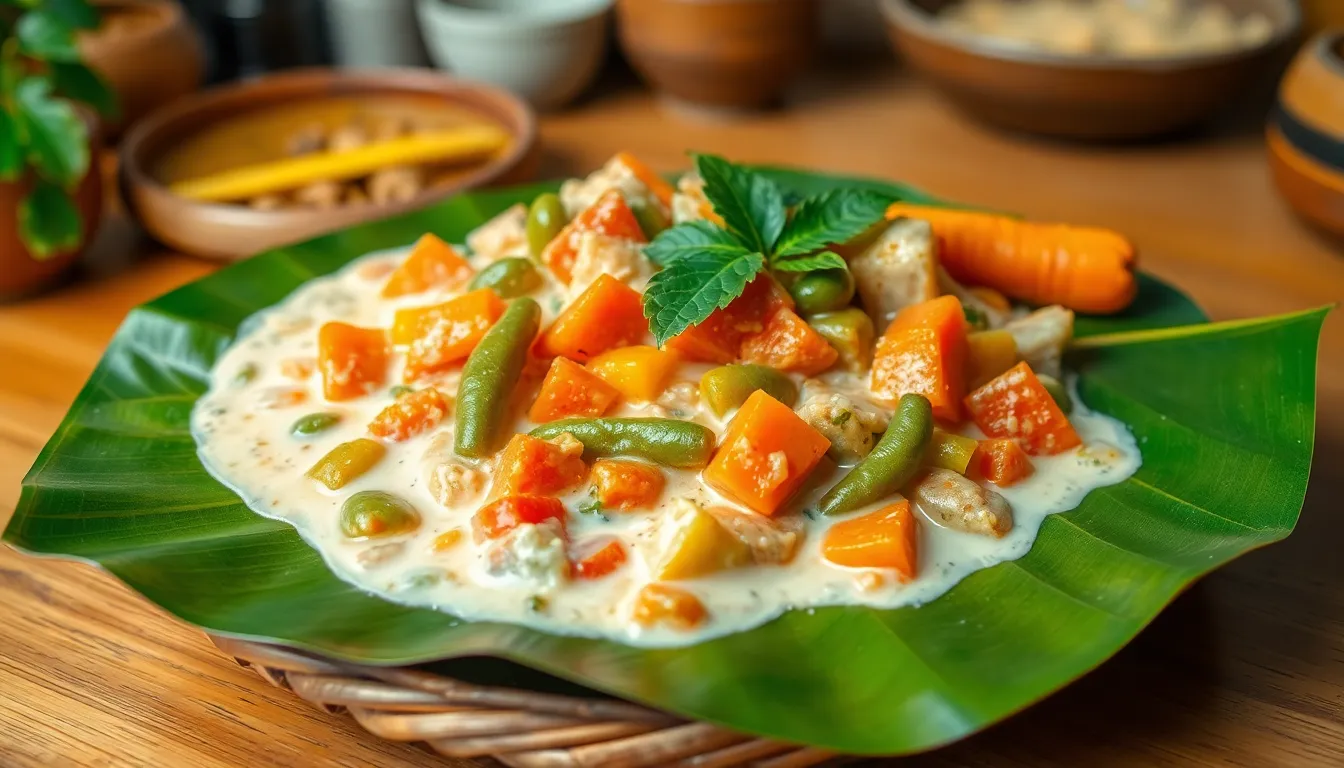
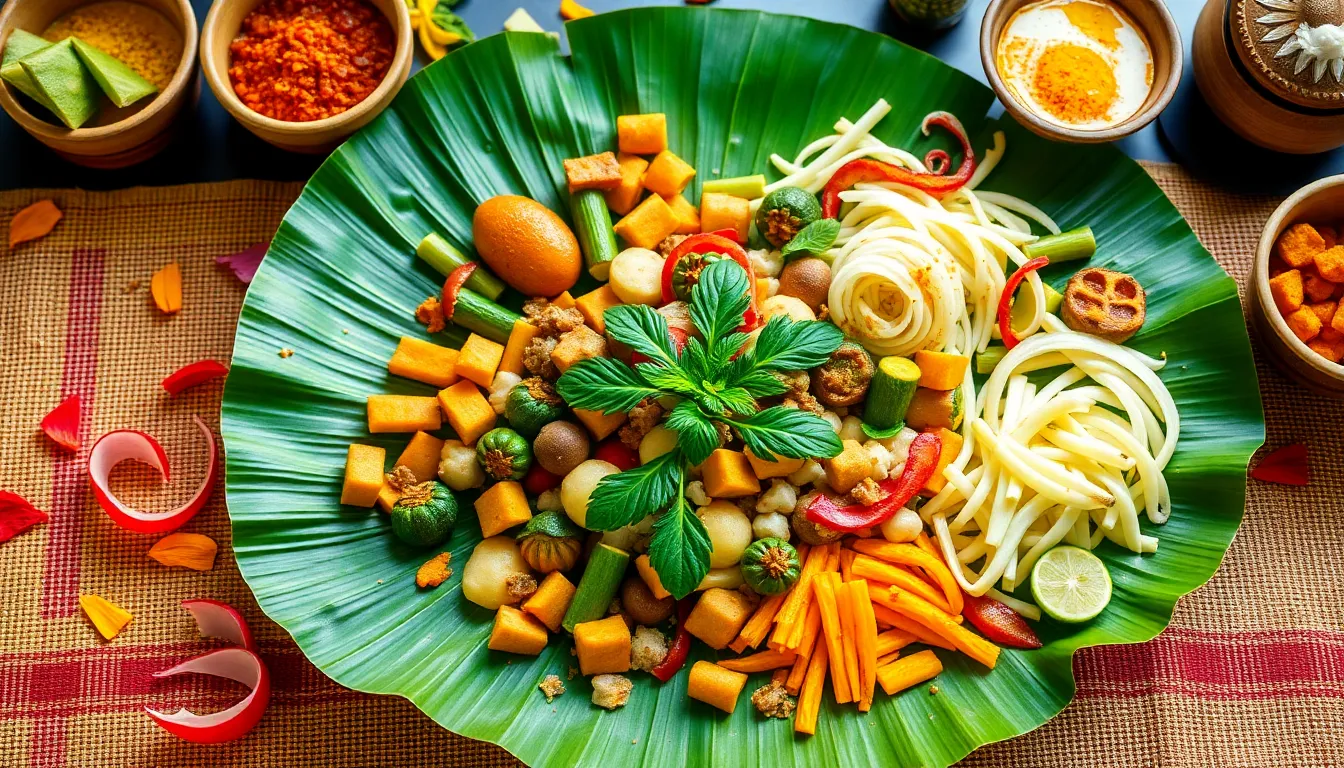
Traditional presentations of vettakarikal often emphasize vibrant colors and appealing textures. In many households, serving the dish in a banana leaf reflects cultural significance and hospitality. Plates may feature a colorful array of ingredients, showcasing the dish’s varied components. Some contemporary styles incorporate modern plating techniques, artfully arranging vegetables and garnishes. Chefs may also experiment with minimalist designs to highlight the dish’s natural beauty. Festive occasions encourage elaborate versions, with creative garnishes and side dishes. Each design style adds to the inner joy of enjoying vettakarikal, making every meal special.
Benefits of Using Vettakarikal
Vettakarikal offers several advantages that enhance both its culinary experience and nutritional value.
Practical Advantages
Nutrition stands at the forefront of vettakarikal’s benefits. This dish incorporates a variety of vegetables, providing essential vitamins and minerals. Fiber content improves digestive health, making it a wholesome meal option. Additionally, the use of coconut milk contributes healthy fats while keeping the dish light. Slow-cooking methods deepen flavors, creating a comforting experience. Accessibility is another advantage; preparations can accommodate an array of seasonal vegetables, ensuring freshness and variety throughout the year. Flexibility in cooking techniques, such as pressure cooking, simplifies preparation while retaining the dish’s essence. Vettakarikal fits well within vegetarian diets, aligning with many Keralite traditions.
Aesthetic Appeal
Visual presentation plays a significant role in enjoying vettakarikal. The vibrant colors of assorted vegetables, from bright orange carrots to lush green beans, create an inviting dish. Banana leaf servings enhance cultural significance, adding an element of tradition to the dining experience. Attractive garnishes further elevate aesthetics, making mealtime more special. Textural contrasts between creamy coconut milk and tender vegetables entice the palate. Efforts in plating amplify the overall enjoyment, encouraging families to savor each bite. Festive versions, adorned with creative embellishments, showcase the dish’s celebratory nature. Ultimately, the aesthetic appeal enhances the enjoyment of vettakarikal, making every meal a feast for both the eyes and the taste buds.
Where to Buy Vettakarikal
Finding vettakarikal locally can be straightforward when exploring local markets and specialty stores. Grocery stores in Kerala often stock fresh ingredients like seasonal vegetables and coconut milk necessary for preparation. Ethnic markets outside of Kerala may carry similar ingredients, ensuring availability for those wishing to recreate the dish.
Online platforms such as Amazon or specialty Indian grocery websites frequently offer pre-packaged spices and ready-made versions of vettakarikal. Some websites specialize in regional Indian cuisine, providing authentic products sourced from Kerala. Local delivery services available in many areas might also feature meal kits, including ingredients for vettakarikal, making cooking more accessible.
Farmers’ markets may showcase fresh vegetables commonly used in vettakarikal, like carrots, beans, and drumsticks. Supporting local farmers not only ensures quality ingredients but also promotes community engagement. Cooking classes focused on Kerala cuisine may also include the opportunity to purchase the necessary ingredients after the session.
Restaurants featuring Kerala-style cuisine usually serve vettakarikal, allowing individuals to experience the dish firsthand. Sampling it at a restaurant helps understand its flavors and textures before attempting a homemade version. Community gatherings and cultural festivals often highlight dishes like vettakarikal, where attendees can find local vendors offering the dish or its ingredients.
Overall, exploring local stores, farmers’ markets, online vendors, and eateries provides ample opportunities to buy vettakarikal or its components. The diverse options cater to various preferences and accessibility, making it easier for anyone to enjoy this traditional Kerala dish.
Vettakarikal stands as a testament to Kerala’s rich culinary heritage. Its vibrant flavors and comforting qualities make it a beloved dish in many households. The adaptability of vettakarikal allows it to evolve while retaining its traditional roots. Whether enjoyed during festive occasions or as a comforting family meal, it continues to bring people together. With its emphasis on fresh ingredients and nutritional benefits, this dish not only delights the palate but also nourishes the body. Exploring vettakarikal opens doors to a deeper appreciation of Kerala’s culture and the warmth of its hospitality.